Laboratory for Learning Technologies
SciAdvLab, initially named “Science Adventure LAB”, is now identified as the “Laboratory for Learning Technologies”. The laboratory was established in collaboration with LUDES Istituto Universitario Professionale and is dedicated to the development of new technologies and projects in the Health & Care sector, as well as to the design of solutions based on Artificial Intelligence and Human Digital Twin for university education.
In the laboratory we work with VR / AR technologies , 3D printers and AI application such as human digital cloning and avatar.
The collaboration of students in research activity as an educational specialization is fundamental.
Smart Learning
Human Digital Twin for Ludes University in Lugano
At Ludes University in Lugano, a Human Digital Twin solution was successfully tested as an advanced environment for creating and delivering personalised learning experiences. The pilot demonstrated how teaching materials, presentations, manuals and academic content can be transformed into interactive courses enhanced by intelligent avatars, multimedia resources, automated assessments and virtual tutors capable of communicating in natural language.
The Human Digital Twin was designed to support each student through an adaptive learning pathway based on initial knowledge, learning progress and any difficulties encountered during the course. Lecturers and academic coordinators were also able to monitor performance through dedicated dashboards, review individual progress and update educational content efficiently.
A key element of the successful experimentation was the creation of a digital twin of the lecturer, able to present lessons, explain complex topics and answer students’ questions using content validated by the university.
The completed pilot confirmed the potential of Human Digital Twin technology to make higher education more accessible, engaging, scalable and personalised, while preserving the central scientific and educational role of the lecturer.
VR/AR applications
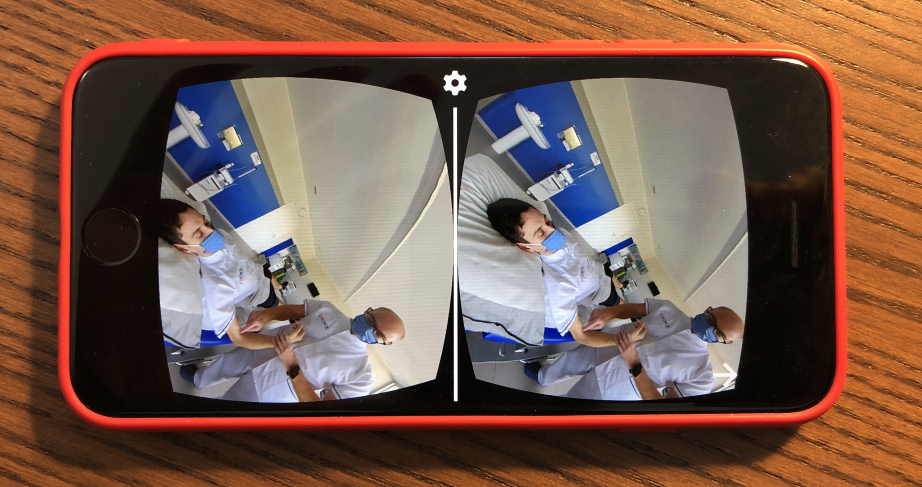
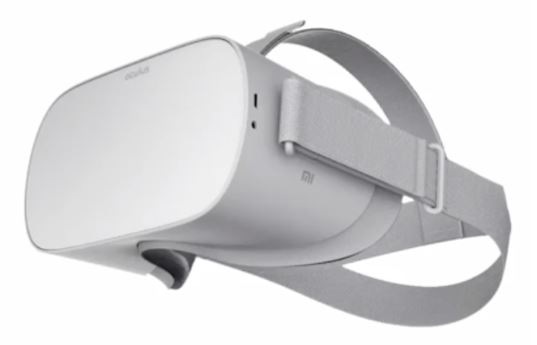
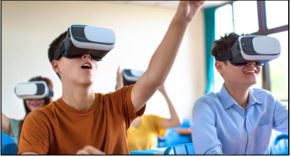
The experience of attending a lesson using Virtual Reality is deeply immersive and helps the student to stay focused and focus on both foreground and background aspects. This is very important in distance learning where the student is autonomous in following the lessons. VR also allows you to have huge audiences of distant people who can attend conferences as if they were in presence even through interaction with the speaker.
The activity that Science Adventure carry out in the Smart Learning Lab with students is:
- Video shooting of lessons in classrooms
- Video editing and story telling
- Automatic subtitling in the spoken language of the recorded video and/or translation in other languages
- Video conversion to VR mode
- Publication on SML streaming platform for distribution (See link: ask for a demo password)
3D Printing
Using the 3D printers present at the SciAdv headquarters in the SciAdv laboratory, we teach students how to use new technologies in orthopaedy and rehabilitation
Fly Your Thesis Parabolic Flight
Fly Your Thesis is a mission of G0Flight that allows university students every year to take scientific experiments in a micro-gravity environment.
The microgravity is recreated through parabolic flights on board a specifically general aviation aircraft
Alsat#1
The main purpose of the ALSat # 1 mission is to involve university students in the construction of the satellite and to involve secondary and high school schools in a great competition, rewarding in a great event the team that will be the first to get in touch with AlSat # 1 and to operate with the satellite. All the details at the link www.alsat.it
SciAdv collaborates in the project through the activity of the SciAdv Lab carried out with the students and providing technologies to QBT Sagl, main partner of the project.
K2 Exploration and experiment
In 2018 an explorer carried out an exploration mission on K2, one of the highest and most sought-after peaks (8.600m)
During the exploration, vital parameters were recorded transmitted in real time to SciAdv thanks to a dedicated satellite connection.
Before the mission the explorer was subjected to a series of clinical examinations which were followed by a repetition of the same upon return